Assetmax and AI: integration and data flow
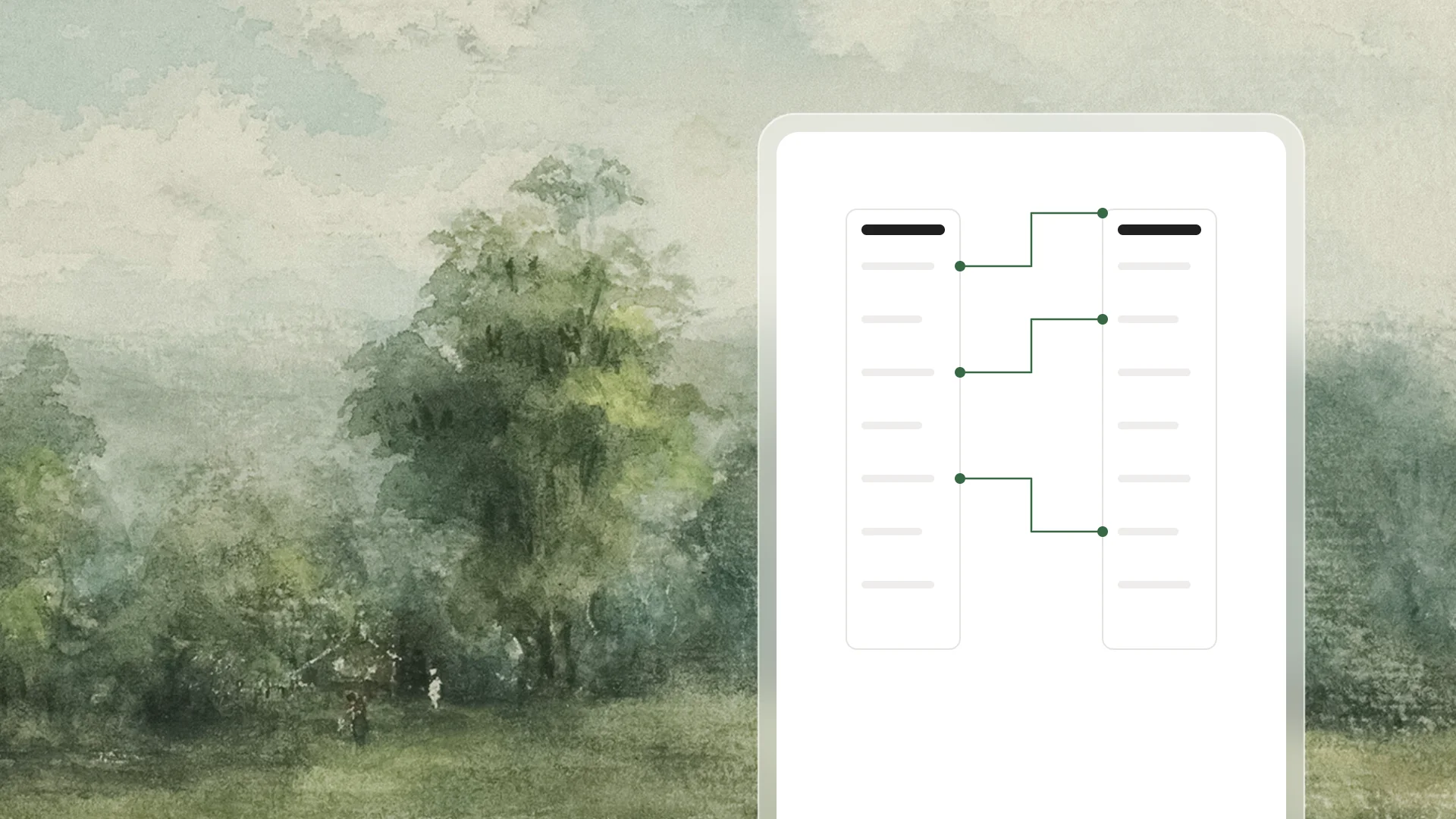
For many Swiss independent asset managers, Assetmax (AMX) is the system of record for positions, transactions, mandates and client master data. An AI that works beside that system works from copies, which go out of date. Unplex therefore works directly on the data in Assetmax. This page describes how the connection works, how data flows and what remains in Assetmax.
Unplex works on Assetmax data, not on copies
Through an authenticated interface, Unplex reads portfolio data, mandate structure, the client file, activities and compliance fields, and writes back where appropriate, for example an activity after a client meeting. Typical inputs for a workflow are positions and valuations, transactions, performance, the mandate profile and investment restrictions, client master data and notes. The data is neither copied nor moved into a second database. Assetmax remains the single valid source.
This matters for traceability. A figure in a client letter is only as reliable as the record it came from. When the draft reads from Assetmax directly, the relationship manager can open the source record from the letter and check it, instead of comparing an export with a printout.
On this basis, Unplex prepares client meeting briefs, quarterly letters and periodic KYC reviews from current figures.
Data flows in three controlled steps
- Read. An agent retrieves the data a task needs, within the access rights you define. In the Anonymiser, Assetmax counts as a trusted tool and receives real identifiers, because it already holds them.
- Process. Before data enters the wider working context, it is pseudonymised again. Real identifiers do not reach systems that do not need them. Every figure in the result keeps its reference to the record in Assetmax.
- Approve. Client-facing results such as letters or review notes go out only after a responsible person has approved them. Every step is logged.
Assetmax remains the system of record
Portfolio management, order handling, custodian data and official client reporting remain in Assetmax. Unplex executes no transactions and does not replace the PMS. It handles the documentation work around the portfolio. The firm decides which mandates, fields and activities a workflow may read, and which results may be written back.
Built by the people who built Assetmax
Assetmax has been part of Infront since 2022. For clients of AMX and Infront PM, Infront offers the Unplex platform as the Infront Workspace. Massimo Ferrari, co-founder of Unplex, co-founded Assetmax and led the company for many years.
Most firms start with two use cases
Most firms start with a limited set of mandates and two use cases, such as meeting briefs and quarterly letters, check the results against their existing process and then extend. A pilot usually runs alongside the existing process for one reporting cycle, so the team can compare the drafts with what it would have written itself. Templates, house style and approval steps are set up before the first run.
More Posts

PMS copilot, chat assistant or agent: classification and choice

Professional secrecy and AI vendors: contract requirements